
Richmond, Missouri
Police Department
Know your ride.
Ride safely.
A family guide to Richmond’s e-bike and motorized play vehicle rules.
Read the full ordinance (PDF)
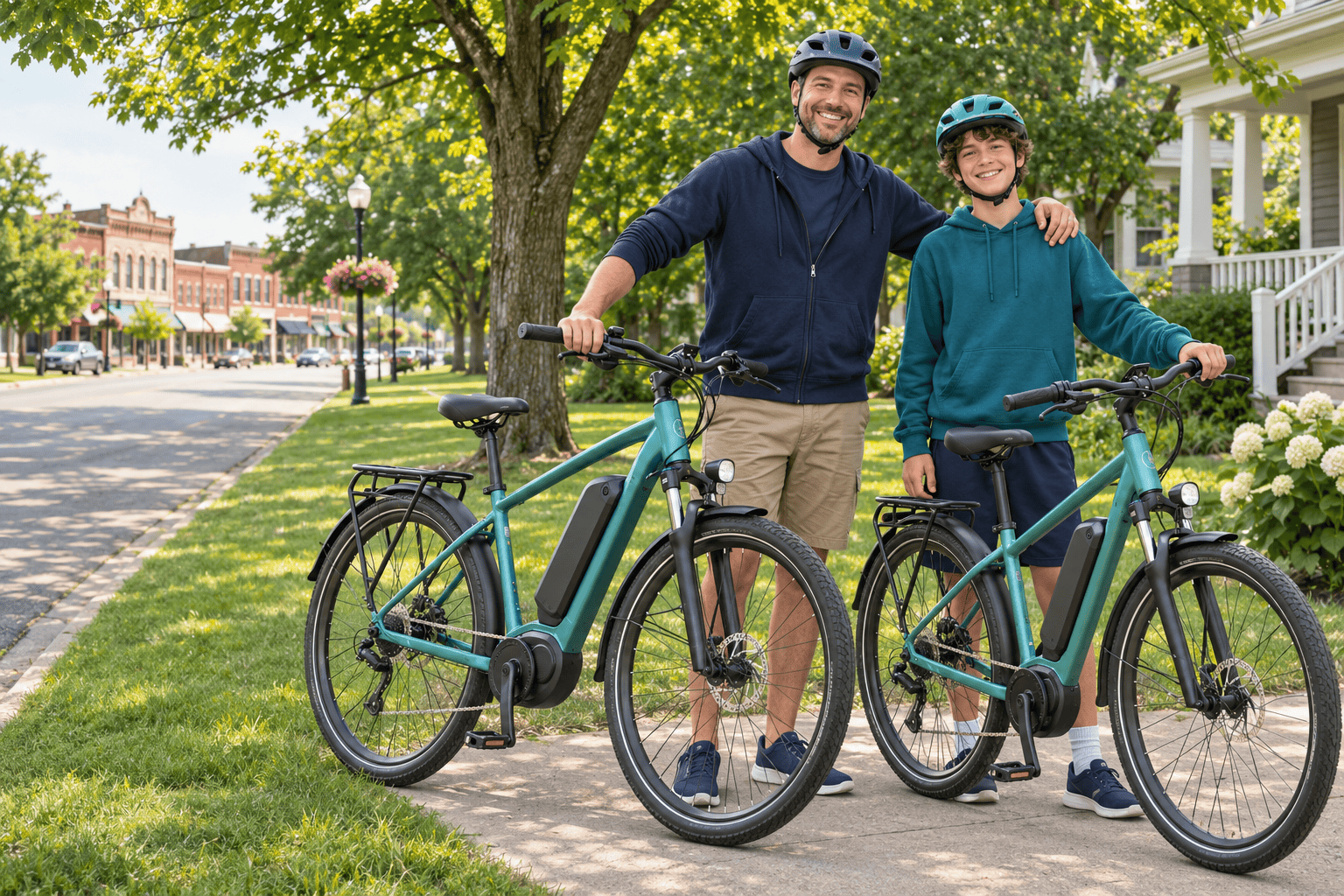
First, know your e-bike class
Check the bike’s label for its class, motor wattage, and top assisted speed. Under this ordinance, e-bikes have working pedals, a seat, and an electric motor rated at less than 750 watts. The electric assist must stop when the brakes are applied.
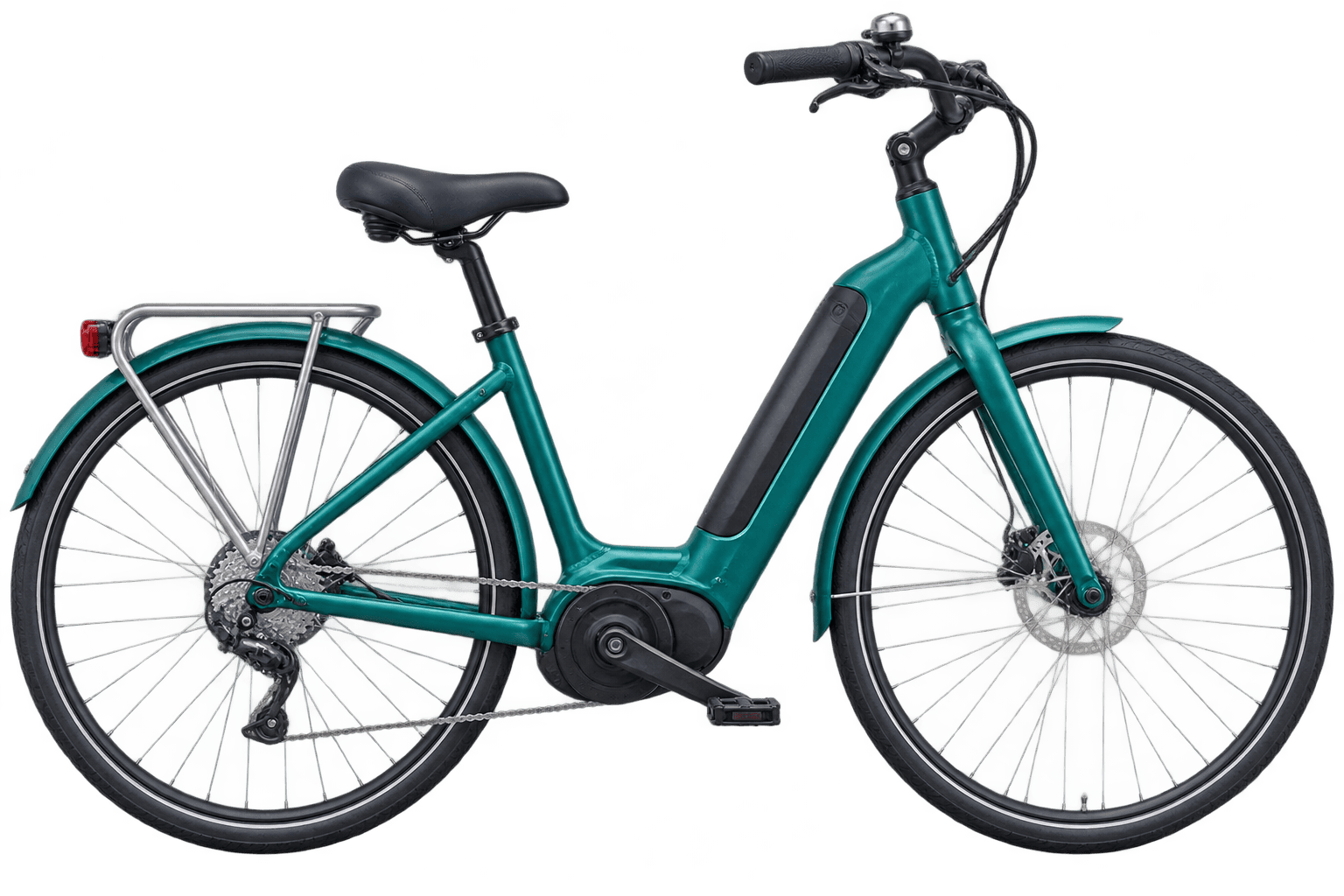
Pedal assist
The motor helps only while you pedal.
Motor assistance stops at this speed.
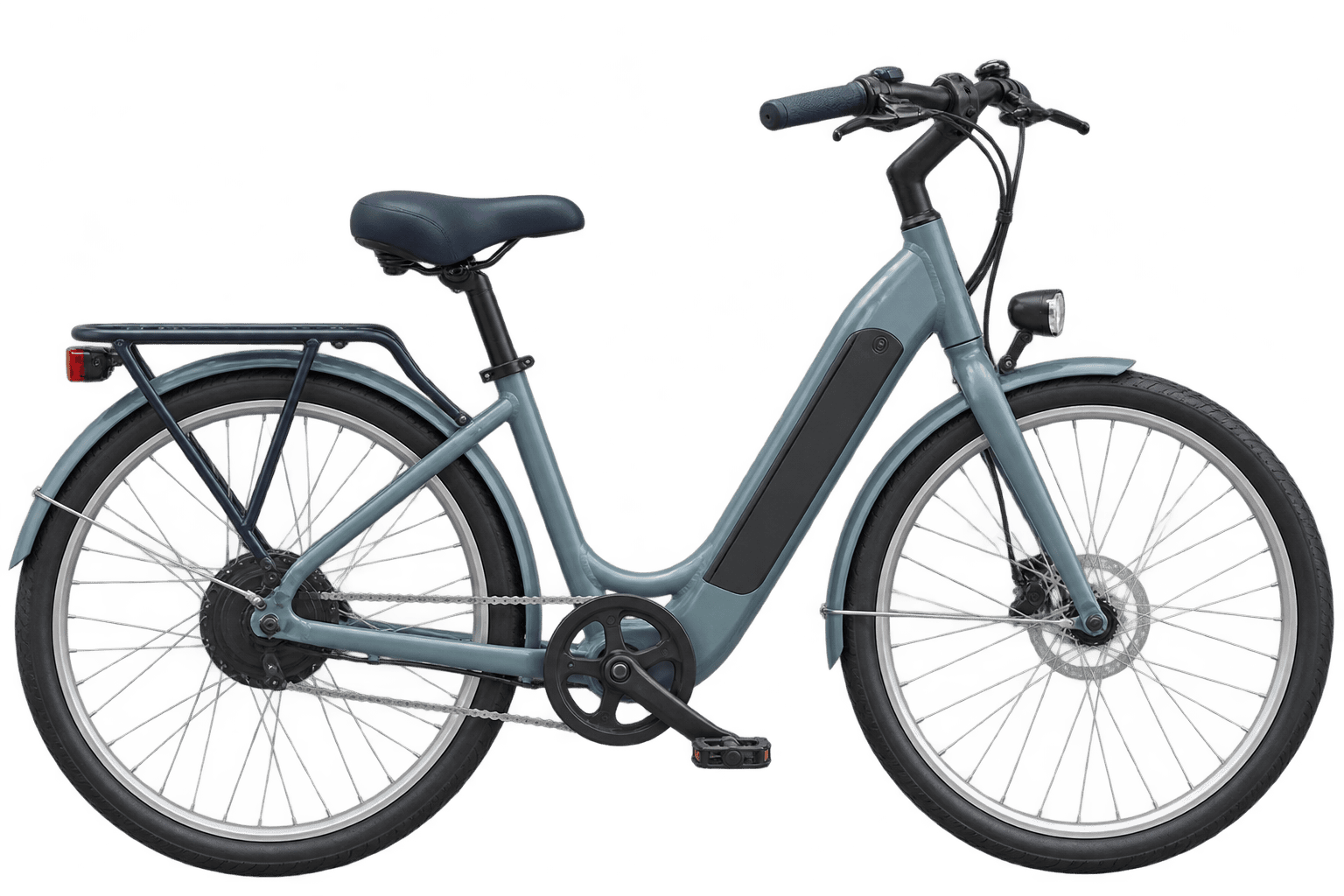
Throttle capable
The motor can move the bike without pedaling.
Motor assistance stops at this speed.
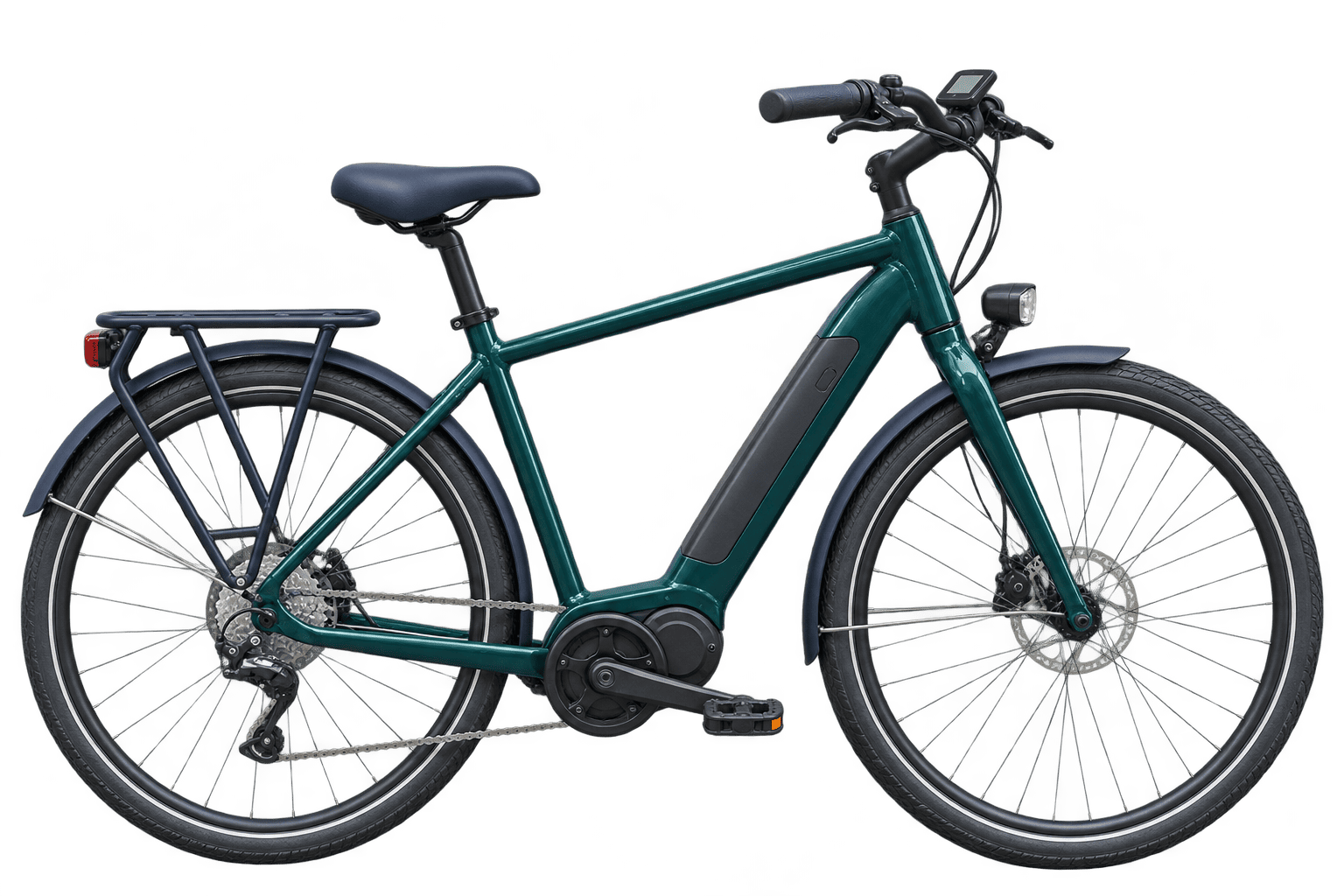
Faster pedal assist
The motor helps only while you pedal.
Motor assistance stops at this speed.
Operators must be at least 16. A speedometer is required.
These are motor-assistance limits, not permission to exceed posted speed limits. Illustrations are examples; a bike’s appearance does not determine its class.
Where can you ride?
The rules depend on your vehicle’s class and the road’s posted speed limit.
Class 1 & Class 2
- City streets: Ride on roads posted at 25 mph or less.
- Higher-speed roads: Use a marked paved shoulder or bike lane. You may also cross roads posted above 25 mph.
- Sidewalks and crosswalks: Yield to pedestrians and give an audible signal before passing, such as ringing a bell or calling out. Follow the rights and duties that apply to pedestrians there.
- Bicycle and multi-use paths: Allowed where bicycles are permitted, unless the responsible authority has restricted e-bike use.
Class 3
- City streets: Ride on roads posted at 45 mph or less.
- Not allowed: Sidewalks, crosswalks, multi-use paths, trails, or other public property.
- Operator age: You must be at least 16 to operate a Class 3 e-bike.
- Younger passengers: A child under 16 may ride as a passenger only on a Class 3 e-bike designed to carry passengers.
Designated non-motorized trails with natural surfaces may have separate rules set by the authority responsible for the trail. Check restrictions before riding.
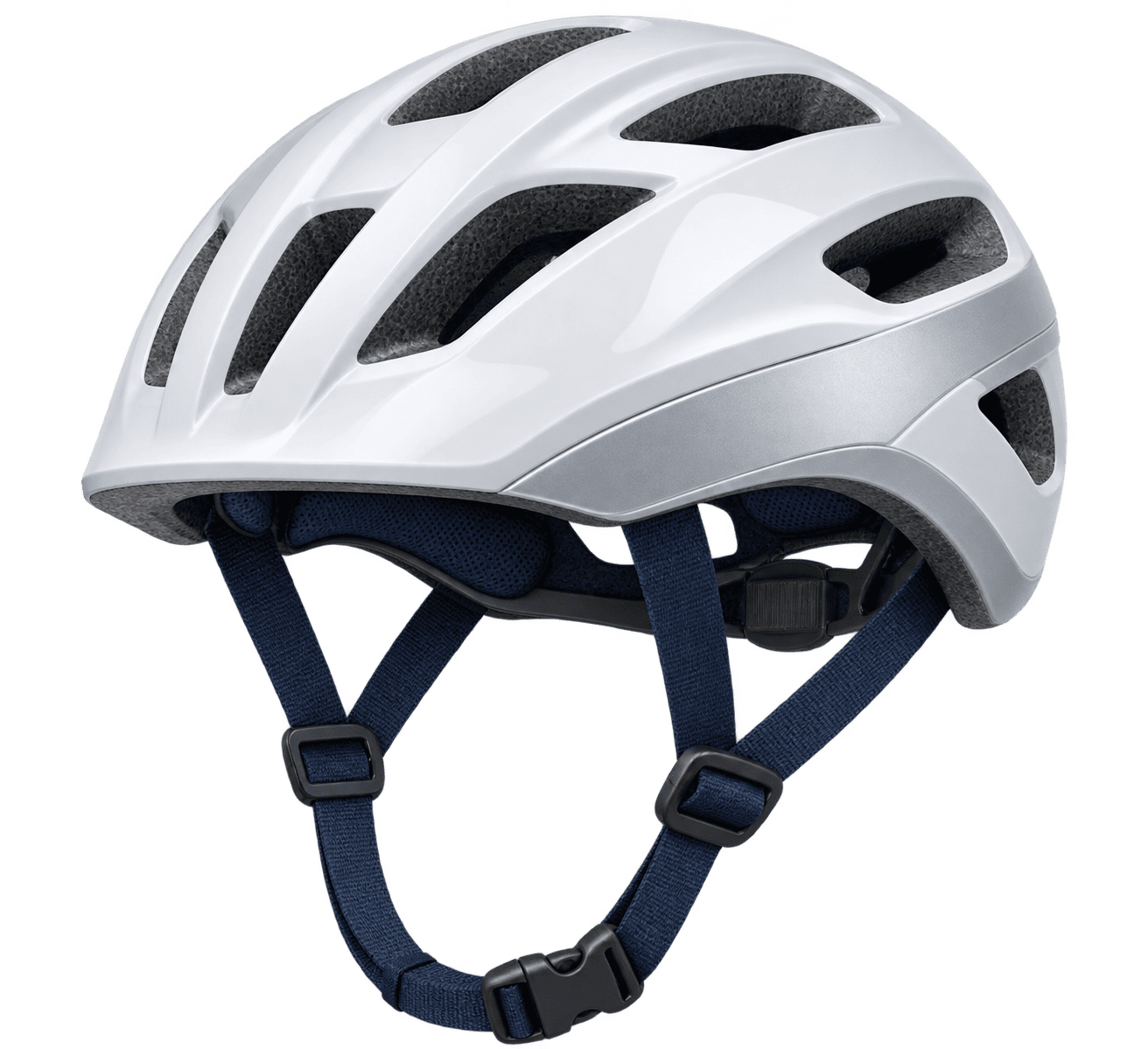
16 or younger? Helmet required.
E-bike operators and passengers age 16 and younger must wear a properly fitted bicycle helmet, securely fastened, on city streets, alleys, and public rights-of-way.
Parents and guardians must ensure helmet use, including on sidewalks and crosswalks. Choose a helmet meeting one of the safety standards listed in the ordinance, such as the U.S. Consumer Product Safety Commission bicycle helmet standard.
The same helmet requirements apply to motorized play vehicles.
Safety tip: Wear a helmet at every age, on every ride.
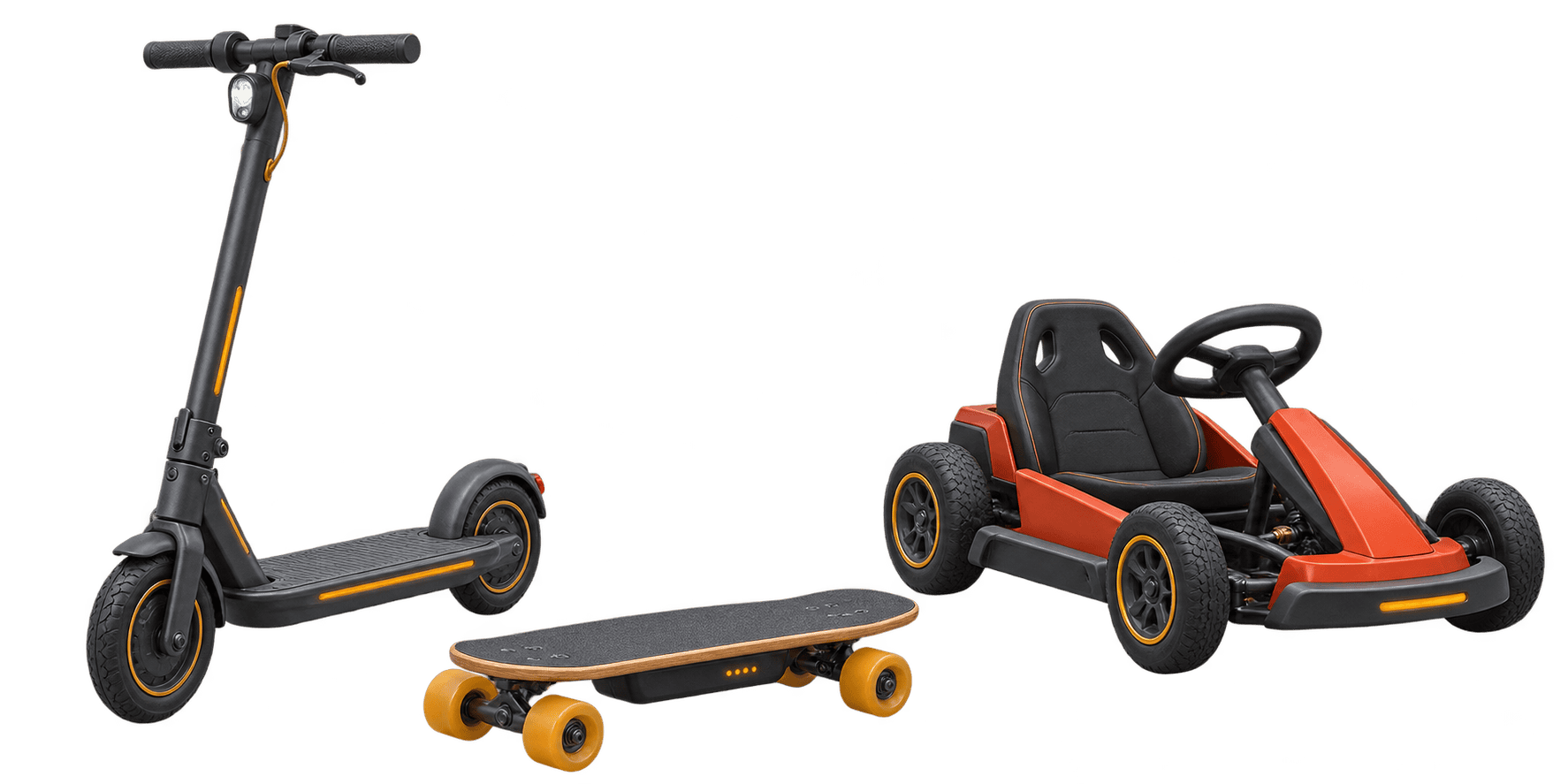
Scooters, skateboards & other motorized play vehicles
This category includes qualifying motorized scooters, mini-motorcycles, pocket bikes, electric skateboards, one-wheels, go-carts, and similar devices.
On roads posted at 25 mph or more, motorized play vehicles may use a marked paved shoulder or bike lane. The ordinance expressly permits crossing roads posted above 25 mph.
The motorized play vehicle definition covers qualifying motor-powered devices capable of more than 5 mph that are not otherwise classified as a motor vehicle, motorcycle, bicycle, e-bike, or motorized bicycle. Motorized wheelchairs and similar disability mobility devices are excluded.
Parents: check before they ride
A quick pre-ride check
- Check the vehicle’s label and confirm its type and class.
- Make sure the helmet fits and the strap is fastened.
- Check the brakes and plan a route that follows the rules.
- Review pedestrian safety and street crossings together.
- For a Class 3 e-bike, confirm the operator is at least 16 and the speedometer works.
Your responsibility
Parents and guardians must not knowingly allow children age 16 and younger to ride an e-bike without the required helmet. They must also control access to motorized play vehicles so children age 16 and younger do not operate them in violation of the ordinance.
Enforcement: People age 17 and older who violate this chapter may be fined upon conviction. When a rider under 17 violates the chapter in an officer’s presence, police may impound the vehicle for up to five days and issue a receipt.
Common questions
Does my child still need a helmet at age 16?
Yes. The helmet requirement includes age 16. A 16-year-old may operate a Class 3 e-bike but must still wear the required helmet.
Does an e-bike require a driver’s license or vehicle registration?
A qualifying e-bike is not subject to the motor-vehicle licensing, registration, title, or financial-responsibility requirements listed in this ordinance. A device that does not meet the e-bike definition may fall into a different category.
Can I tell the class by looking at the bike?
Not reliably. Check the label for the class, top assisted speed, and motor wattage. If you are unsure how your vehicle is classified, contact the Police Department before riding it in public.
What if an e-bike has been modified?
If a modification changes the motor-powered speed capability or engagement, the ordinance requires a replacement label showing the new classification. If its class changes, the bike must follow the rules for that class. A new label alone does not make a device that falls outside the e-bike definition a qualifying e-bike.
Are mobility devices covered by the play vehicle rules?
No. Motorized wheelchairs and similar mobility devices designed for and used by people with physical disabilities are excluded from the motorized play vehicle definition.
Questions about your family’s ride?
Richmond Police Department
Administration: 816-776-3575
This page summarizes Ordinance 2716 and Chapter 385. The full ordinance controls.